Neurodiversifying Neuroscience Research
VISION FOR ACADEMIC CULTURE
- Learn from neurodiversity frameworks to improve how we talk about science and run our labs
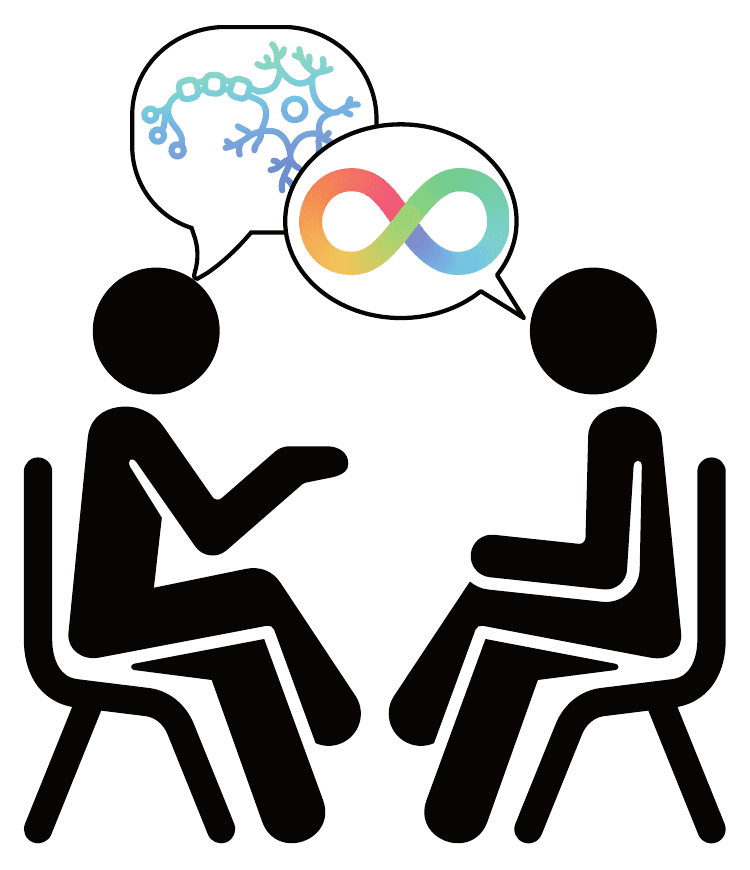
- Recognize that universal design ≠ one size fits all
- Include more types of minds in neuroscience
- Make feedback signals unambiguous
- Fund neurodivergent researchers and the labs that keep them
- Improve retention of neurodivergent folks
- Write norms down; stop testing who can infer them
SCIENTIFIC VISION
- Sample first, decide what counts as noise afterwards
- Classify different strategies as findings, not failures
- Acknowledge that a control group is a norm you choose
- Report distributions, not just means
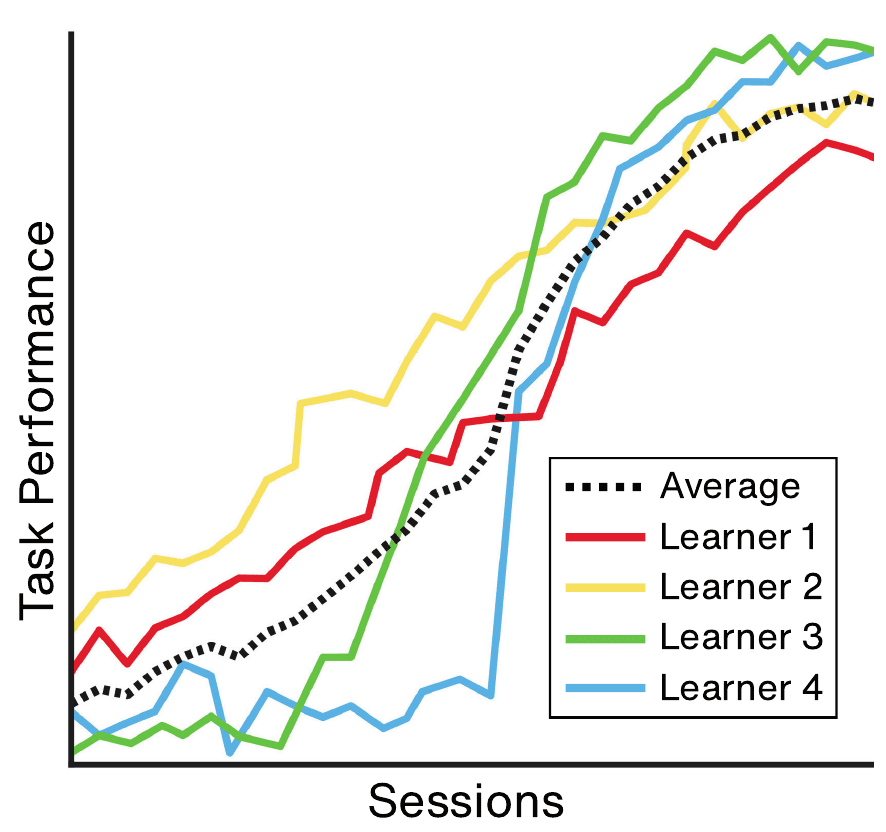
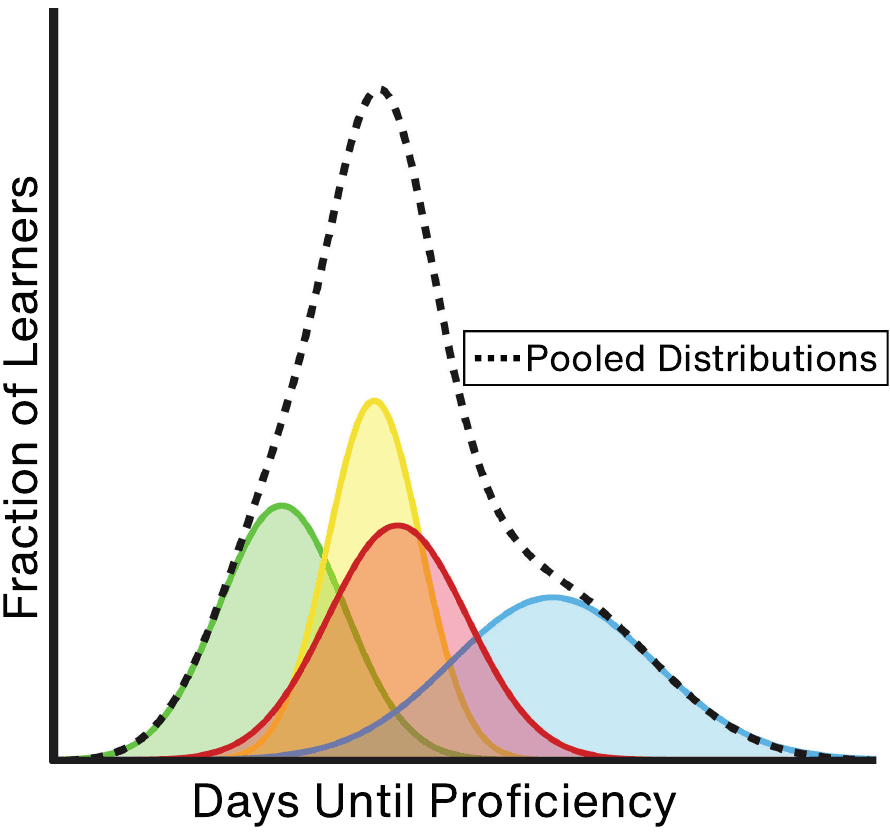
Averaged learning curves mask the diversity of individuals, and pooled results conceal structured heterogeneity
By Adopting Autistic Communication
Values, We Can Improve Scientific Integrity
Science claims to select on ideas. In practice it also selects on fluency in one communication style. Crompton et al. (2020) found that information passes between two autistic people as efficiently as between two non-autistic people; only mixed pairs lose information. “Poor communicator” describes a mismatch, not a person. When we filter for allistic fluency, we are filtering out ideas, not noise.
We believe that making science accessible and making science better are the same project
Allisticconventional norms
Autisticcommunication values
- Positive spin on results corresponds to Precision & comprehensive reporting
- Career-motivated overselling corresponds to Epistemic honesty
- Authority deference corresponds to Willingness to challenge assumptions
- Softened peer review corresponds to Direct & honest critical engagement
- Implicit expectations corresponds to Explicit transparency & documentation
- Mask-demanding “professionalism” corresponds to Valuing substance over style
The right column is not autistic culture imposed on science; it is what science already claims to value
Variation is an Essential Feature of Brains
Variation makes biological life adaptable and robust
Evolution needs variation; “survival of the fittest” doesn’t work without diversity
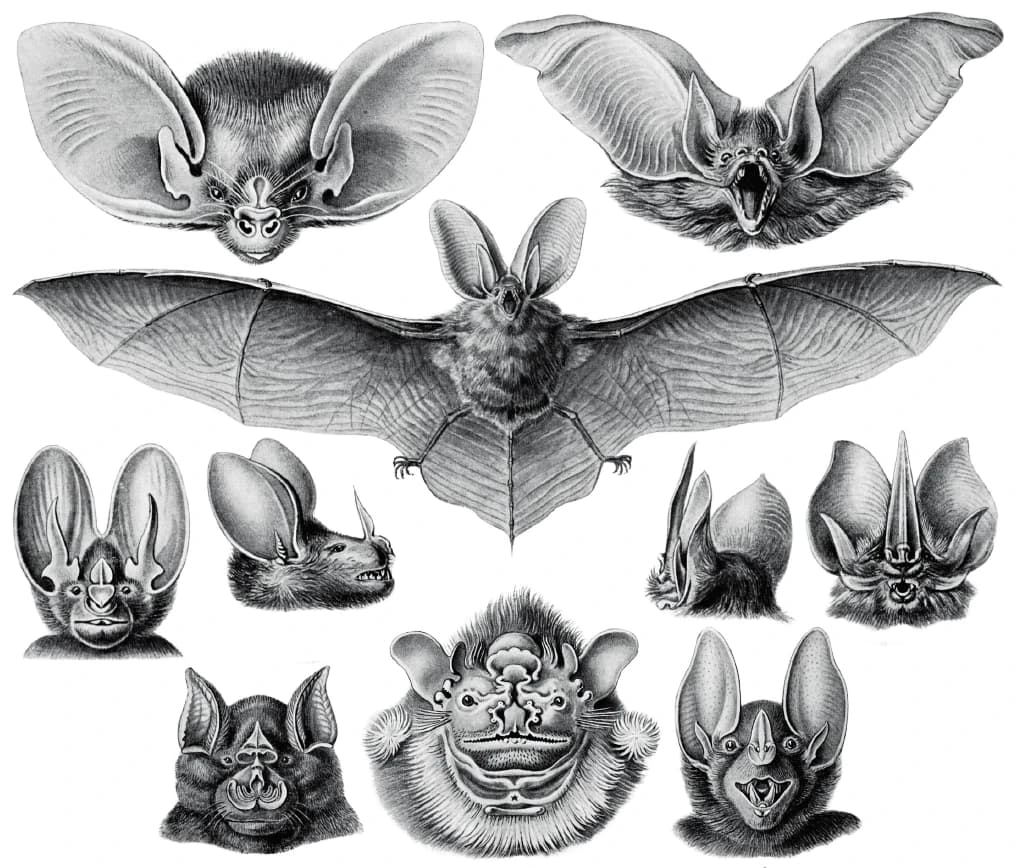
(imagery: Ernst Haeckel, 1904)
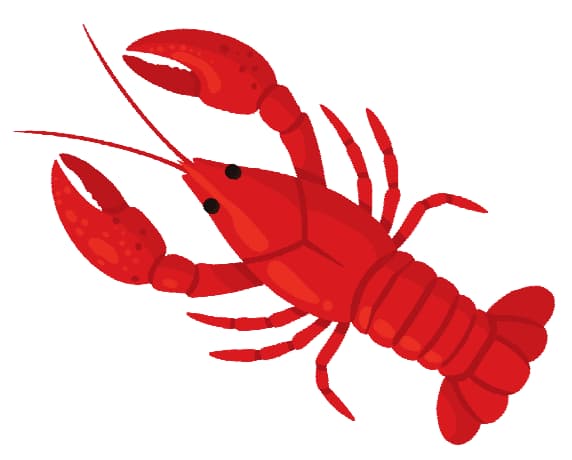
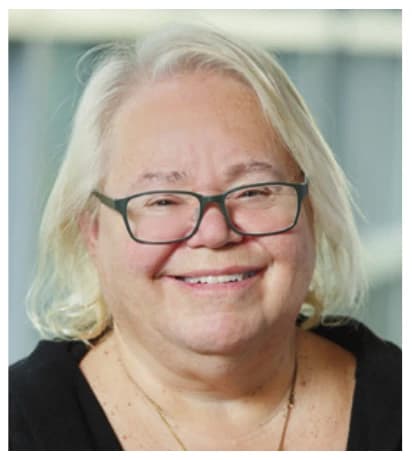
Eve Marder showed that different circuits produce the same rhythms
Neurons in lobster ganglion produce nearly identical rhythms from very different combinations of ion channel conductances
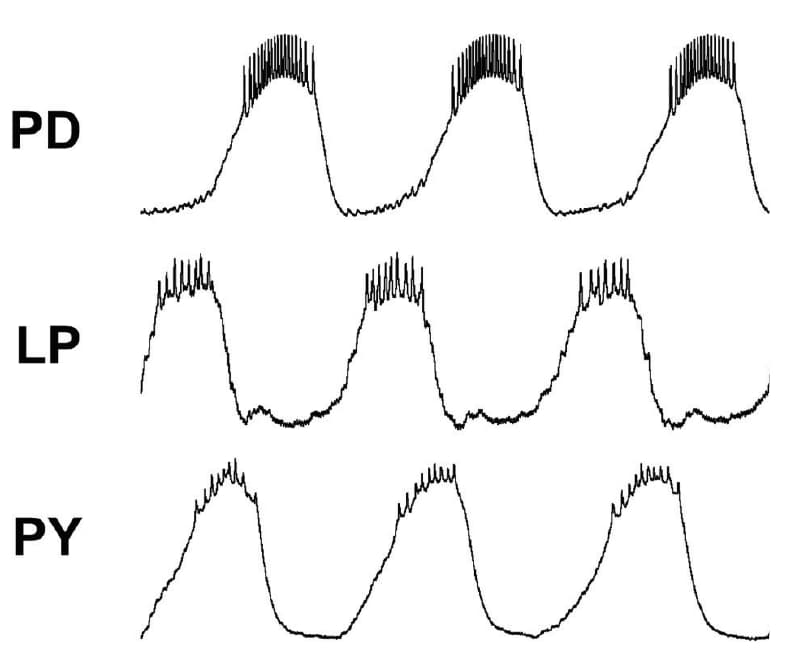
(Prinz, Bucher & Marder, 2004)
The “average” brain does not exist
MRI scans are warped to match an averaged “reference brain” that represents nobody
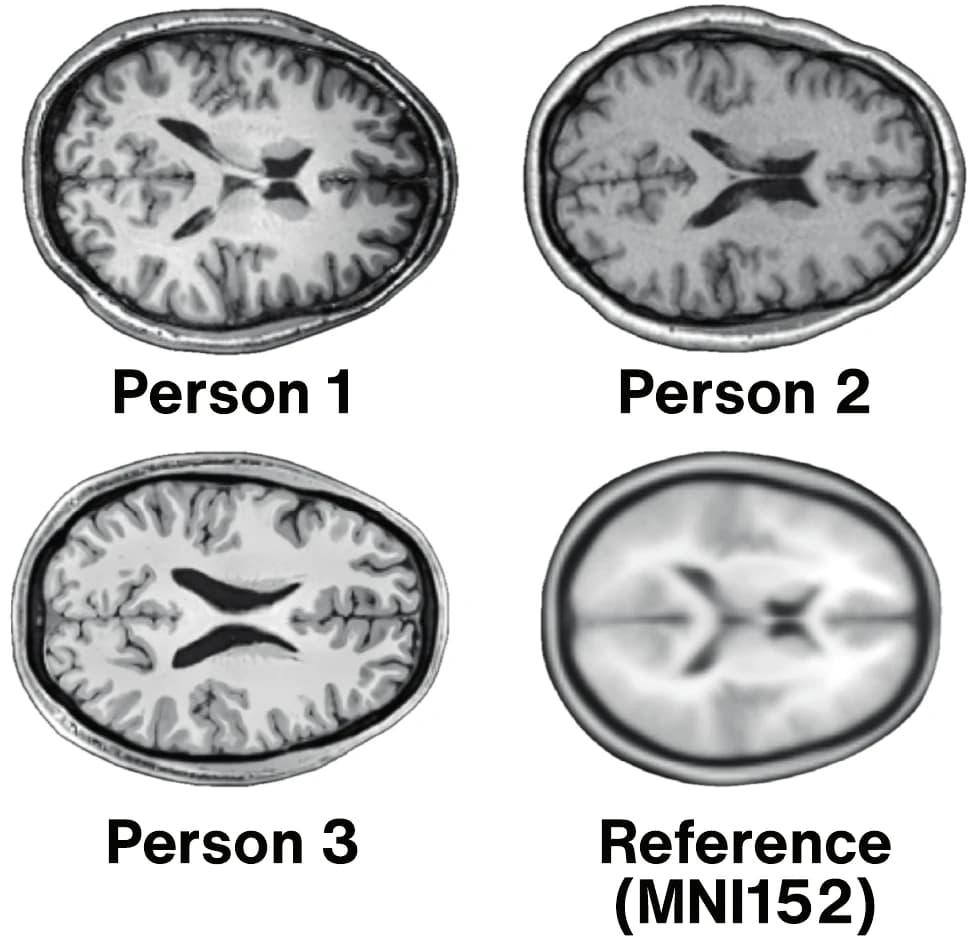
(Giff et al., 2023)
One genetic mutation can cause different wiring of spinal tracts
Mutations in axon guidance results in a unique re-wiring pattern in each individual mouse brain
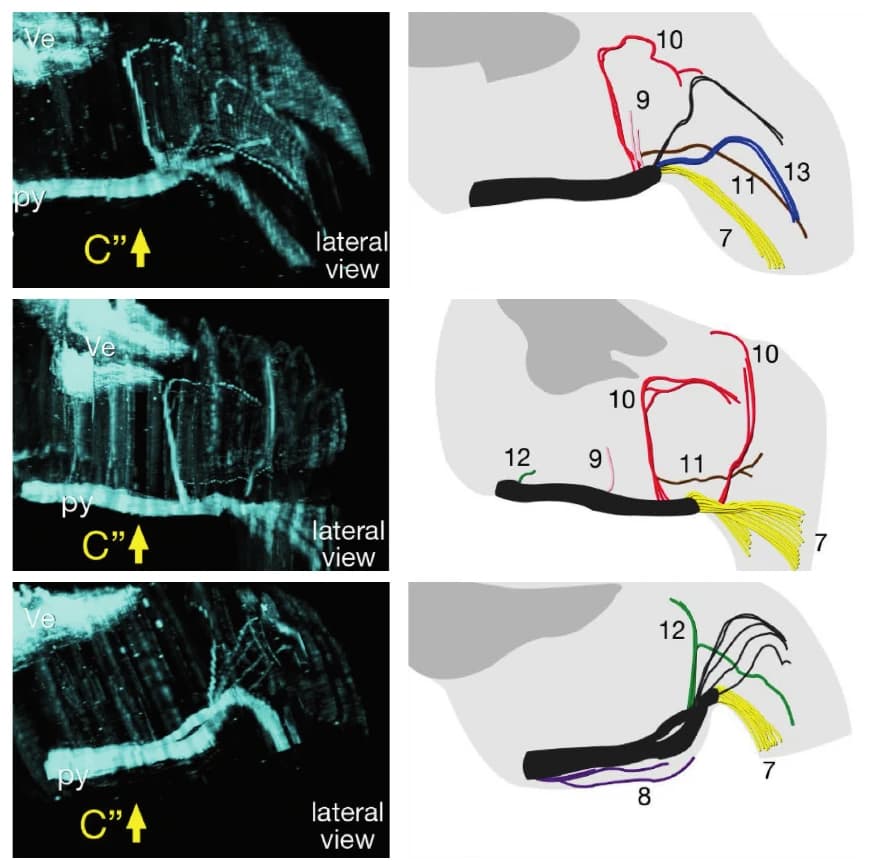
(Okada et al., 2019)
Our Team

Matt Smear

Leah Blankenship
Lila Kaye

David Gire

James Murray

Ashley Terrell

Adam Miller

Joanna O'Neill
Angie Michaiel
Ifedayo Emmanuel
Our Events
See below upcoming events, use arrow to scroll!
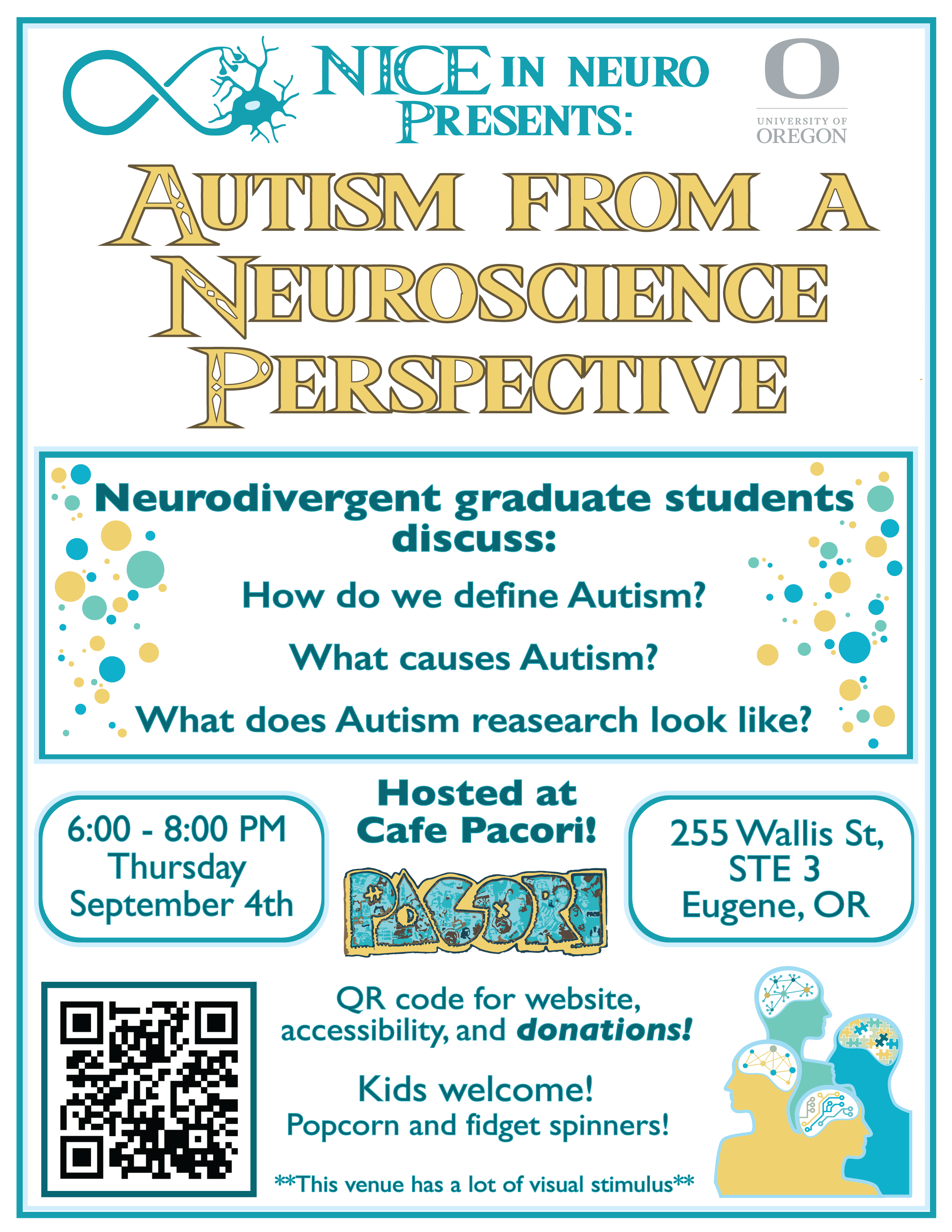
Follow us for events and more on our socials or donate using our Venmo link